October 16, 2026
・
25
mins read
.png)

Active Supply Chain Security (ASCS) represents the future of supply chain security. It’s not an optional upgrade, but a new operating model organisations are progressively moving toward.
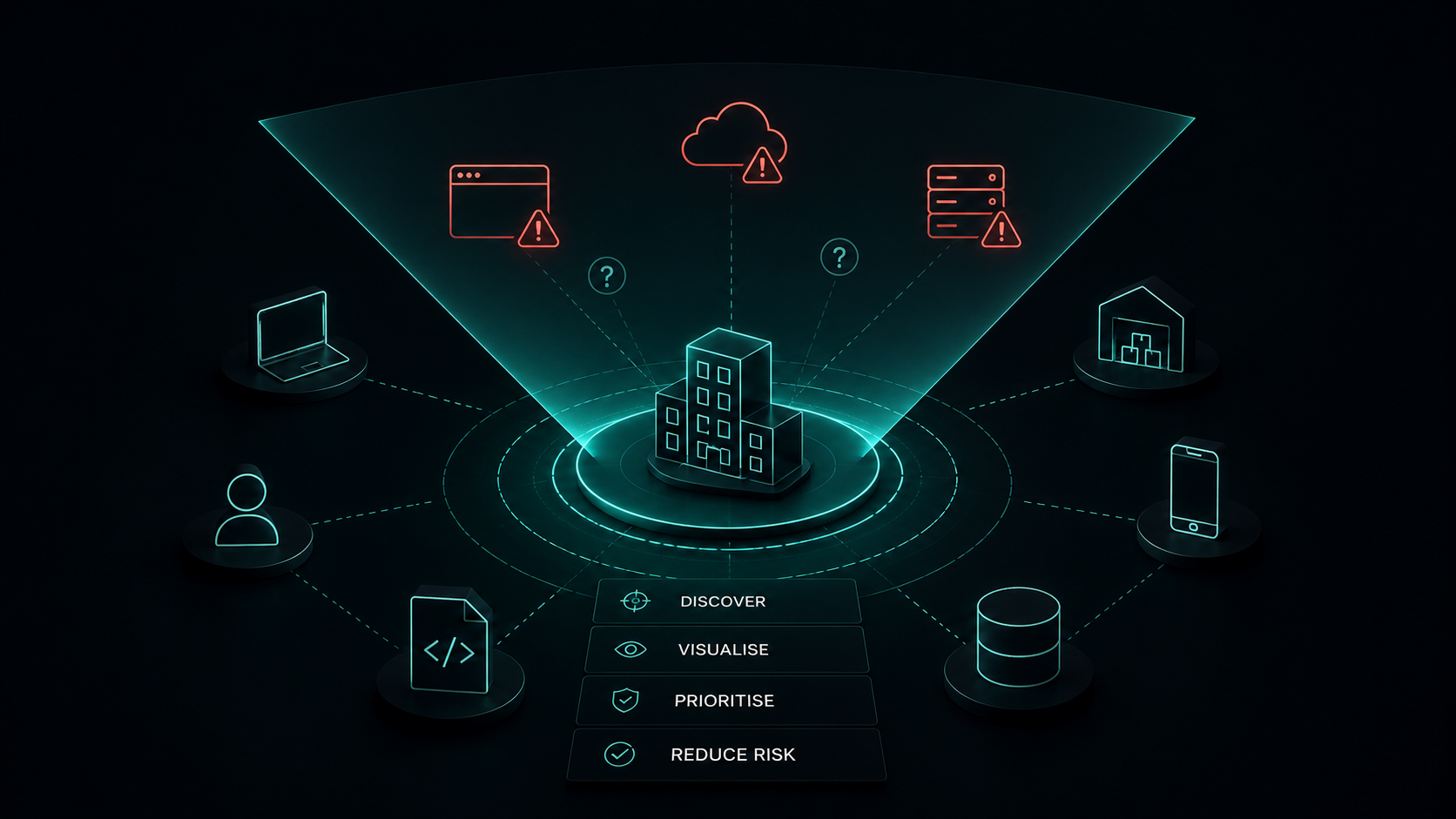
By standardising supplier security assessments, visualising the entire supplier network, continuously identifying threats and enabling collective defence, Active Supply Chain Security enhances security for every link in the supply chain - not just your organisation.
Many organisations are already adopting ASCS’s core operating principles today. Here’s how Synectic Solutions, Schroders Personal Wealth (SPW), ScotRail, and United Utilities are using ASCS principles to enhance their supply chain security.
Aligned to major security standards and customisable to your needs, Risk Ledger’s standardised assessment framework helps organisations capture accurate, comparable supplier risk data at scale while simplifying due diligence. We update the framework every six months to ensure continued alignment with regulations and automatically email suppliers to update their profiles.
Synectics Solutions is a leading provider of fraud prevention and risk intelligence solutions, trusted by over 160 organisations across financial services and government as their first line of defence.
Synectics Solutions’ was relying on a laborious, manual TPRM process - based on customised questionnaires and spreadsheets - which was time-consuming and unscalable.
Solution: Risk Ledger's standardised assessment framework enabled Synectics Solutions to automate supplier assessments, standardise due diligence, and constantly monitor changing supplier profiles.
Risk Ledger helps organisations visualise their broader supply chain ecosystem on an ever-growing and living network map, which currently includes 16,000+ organisations and 33,000+ connections. By using our network visualisation tool and update notifications on suppliers' security profiles, you can see vulnerabilities posed by opaque deep-tier suppliers, identify critical suppliers that pose higher concentration risks and monitor changing risks in real-time.
Schroders Personal Wealth (SPW) has over £13.3 billion in funds under management and serves its clients through 11 regional hubs and 270+ financial advisers around the UK.
A cloud-first organisation, Schroders relied on 200 suppliers for its infrastructure and daily operations. To effectively manage these supply chain risks, they needed continuous monitoring of suppliers’ internal security controls.
Risk Ledger’s network model gave SPW full visibility over their entire supply chain beyond its direct, third-party relationships and provides real-time updates on changing nth party connections.
Read the full case study here.
Risk Ledger overlays new vulnerabilities and attacks on the network map in real-time, helping highlight the potential ‘blast radius’ of impacted suppliers, simulating the cascading network exposure, and enabling you to prioritise remediation. Our platform also enables seamless communication with suppliers, so you can triage mitigation collectively, track remediation progress and stop attackers infecting more of the supply chain.
ScotRail is the publicly-owner rail operator across Scotland with a huge UK-based supply chain across areas, such as rolling stock, maintenance, and engineering services.
ScotRail wanted to move away from point-in-time assessments to more continuous monitoring, with better supplier communication and an efficient way to manage supply chain threats.
Risk Ledger's standardised framework and network visualisation streamlined ScotRail’s supply chain security efforts. In particular, Risk Ledger’s network model ensured ScotRail and its suppliers both used the same platform, where they were encouraged to work closely together and communicate directly.
Read the full case study here.
Risk Ledger’s network model enables collaboration and intelligence-sharing with the wider ecosystem, optimising resources and building network-wide cyber resilience. With the platform acting as a shared system of record for supply chain risk insights, you can seamlessly collaborate with suppliers during onboarding, share intelligence on supply chain threats and collectively respond to breaches.
United Utilities is a FTSE 100 company which manages and operates the regulated water and wastewater networks in North West England.
United Utilities relied on a traditional TPRM process, using extensive manual spreadsheets, where they had to review every single question in detail. This imposed a huge strain on United Utilities’ own security team and a great burden on its suppliers, many of whom refused to do a spreadsheet.
To centralise its supplier assurance activities and data in one place, United Utilities mandated that all its suppliers use Risk Ledger’s platform. With 80% of the UK water network already on Risk network, the majority of their suppliers already had peer-assessed security profiles on the platform.
Read the full case study here.
Risk Ledger is helping organisations move beyond outdated TPRM programmes towards a more connected, continuous Active Supply Chain Security platform. By standardising supplier risk assessments, connecting thousands of organisations onto a living network, and overlaying proactive threat intelligence, we’re enabling organisations in heavily-regulated industries to strengthen resilience and progressively move towards defending as one.




Monthly research, case studies and practical guides you won't find anywhere else.
Join thousands of security managers turning their TPRM programmes into success stories.

.svg)