Community

Strengthen supplier assurance across the public sector

Risk Ledger helps public sector organisations continuously understand supplier risk, demonstrate due diligence and strengthen operational resilience through collaborative supplier assurance.

Trusted by public sector organisations including
Succession Wealth
Allica Bank
Schroders Personal Wealth
Octopus Investments
Grant Thorton
Upvest
Crowe
Succession Wealth
Allica Bank
Schroders Personal Wealth
Octopus Investments
Grant Thorton
Upvest
Crowe

Public sector organisations share more than suppliers

They also share the challenge of managing supplier risk with limited resources.

Limited resource, growing risk
Cyber threats, supplier risk and regulatory expectations continue to grow, while security and procurement teams are expected to do more with less.
Manual assurance doesn't scale
Point-in-time questionnaires and spreadsheets make it difficult to maintain up-to-date supplier assurance or respond quickly as supplier risk changes.
Shared suppliers create shared opportunities
Many public sector organisations work with the same suppliers. Sharing supplier assurance reduces duplicated effort while improving visibility and consistency.

Built for the way public sector organisations manage supplier risk

01

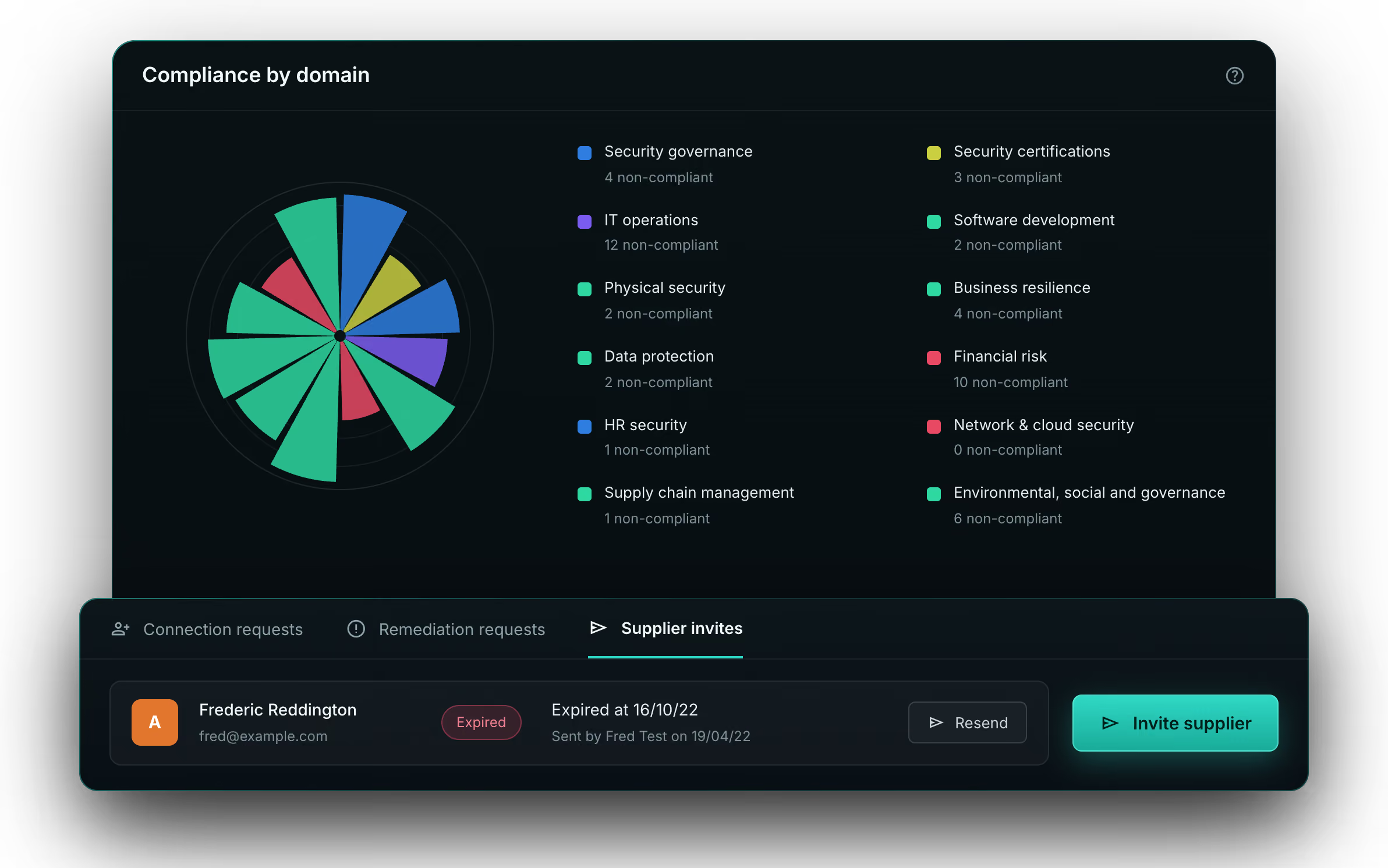
Continuous supplier assurance

Replace annual questionnaires with continuously updated supplier assurance.
02

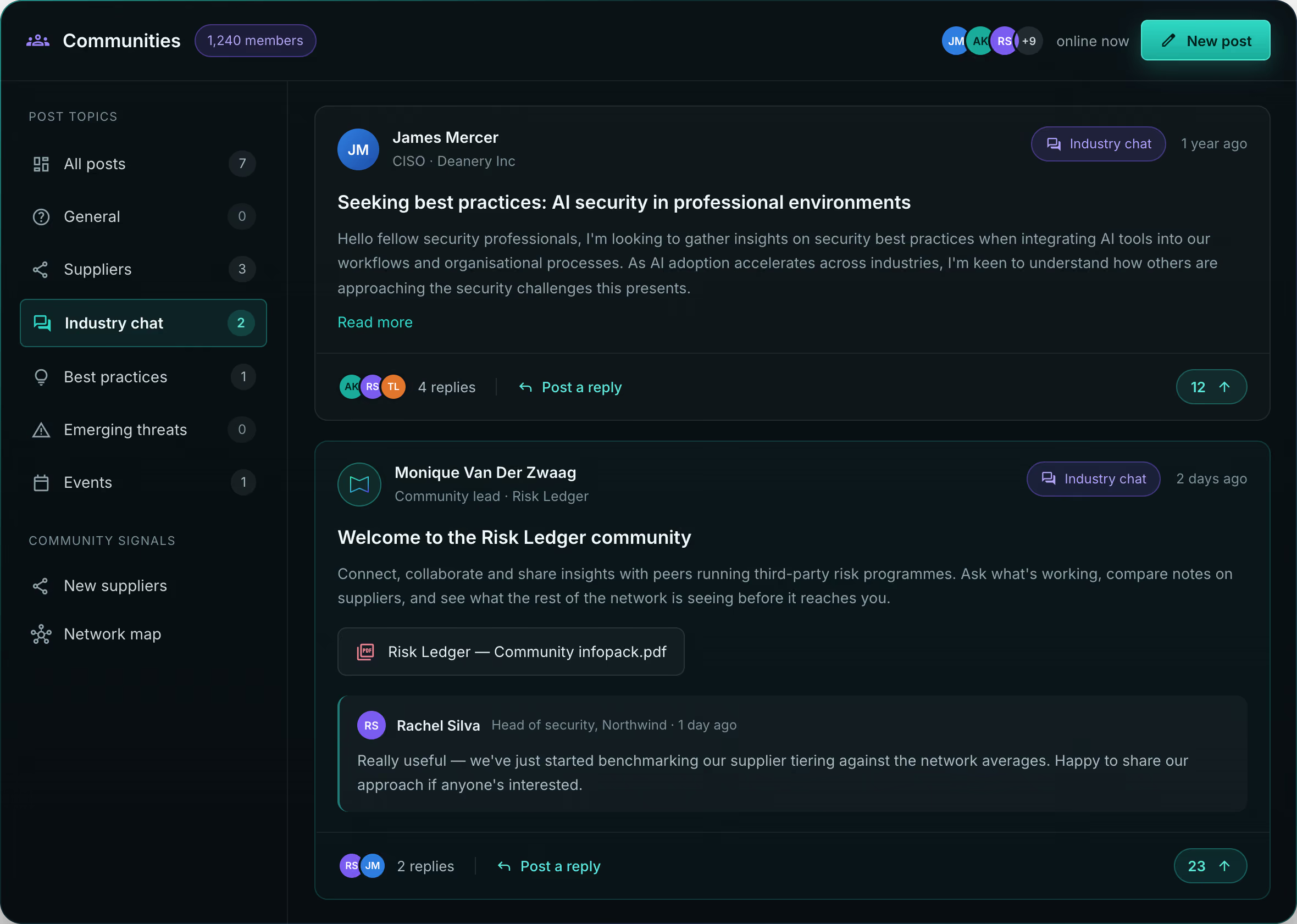
Reduce duplicated assurance

Share supplier assurance across teams and organisations to minimise repeated assessments.
03

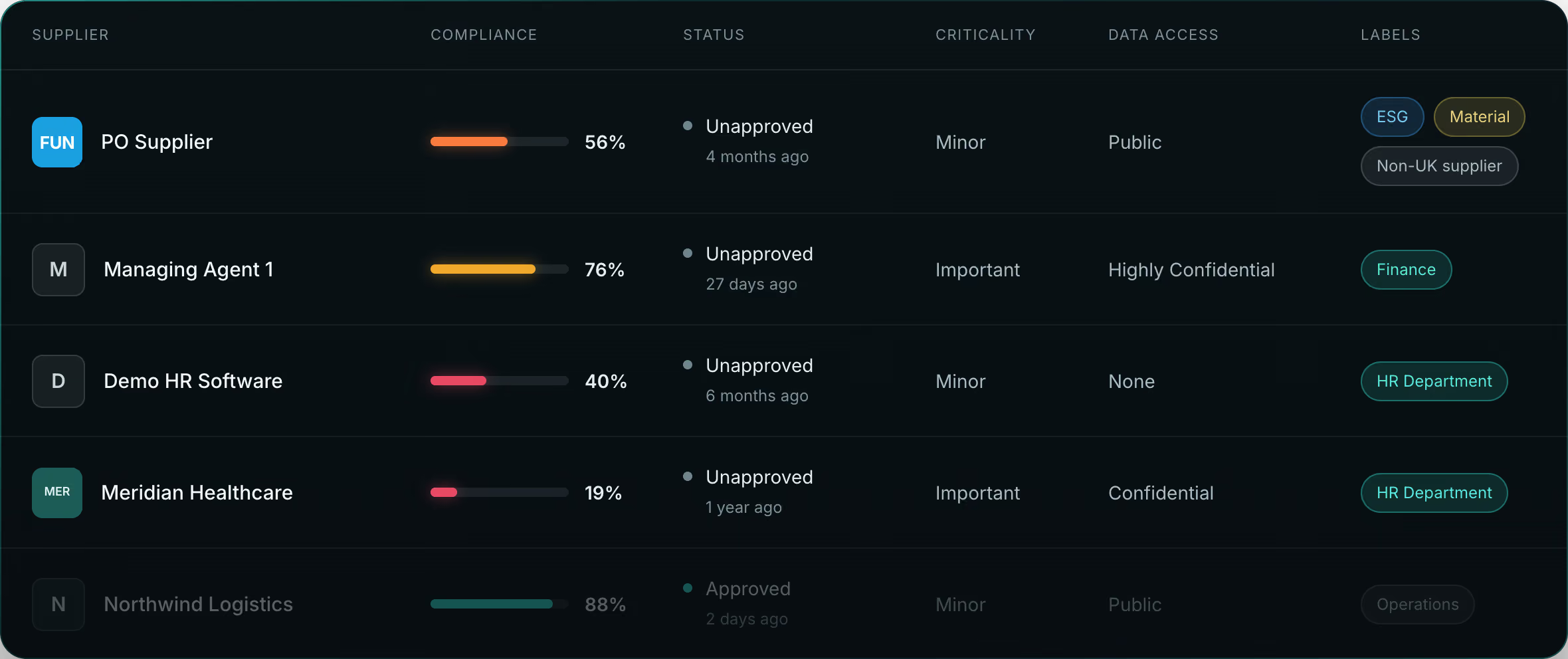
Focus on the suppliers that matter most

Prioritise assurance activities based on supplier criticality, inherent risk and changing security posture.
04

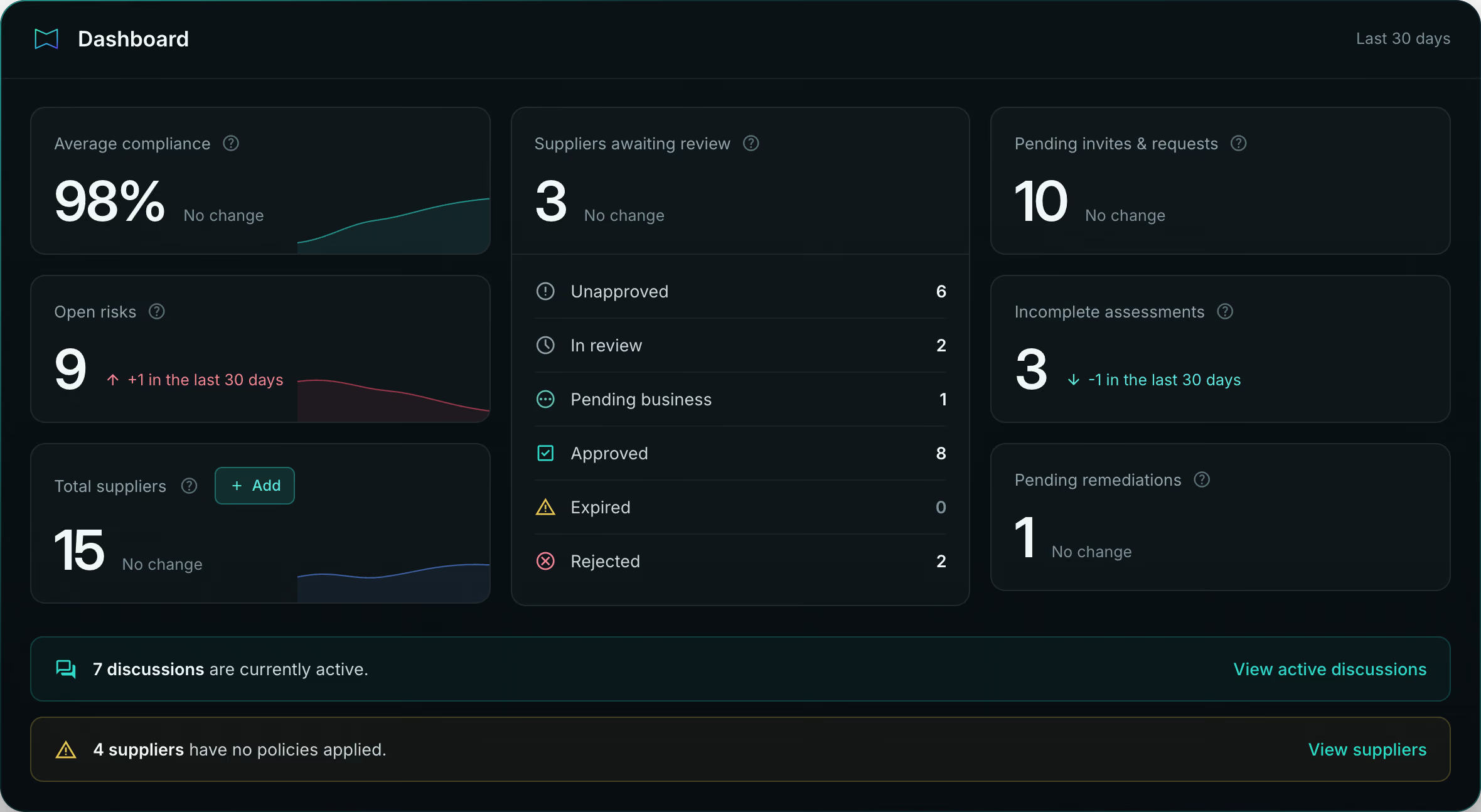
Demonstrate due diligence

Maintain an auditable record of supplier assurance, helping teams provide evidence for governance, procurement and operational resilience.

What we're hearing from public sector leaders

Conversations across central and local government highlight three common supplier assurance challenges:

1
Smaller teams are expected to manage growing supplier risk and increasing governance expectations.
2
Manual questionnaires and spreadsheets create unnecessary effort without improving supplier assurance.
3
Public sector organisations often duplicate supplier assurance instead of sharing trusted evidence.

Supplier assurance doesn't need to be repetitive

Continuous supplier assurance gives public sector organisations the confidence and evidence to make informed supplier decisions.

Point-in-time assurance

Annual supplier questionnaires

Suppliers repeatedly answering the same questions

Spreadsheets and email chains

Point-in-time assessments

Manual evidence gathering for governance

Continuous assurance

Continuous supplier assurance

Shared assurance that reduces duplicated effort

A centralised view of supplier assurance

Continuously updated supplier information

Clear visibility to support due diligence and operational resilience

One platform, different public sector needs

Local Government

Central Government

How local authorities are collaborating on supplier assurance

A group of UK local authorities partnered with Risk Ledger to reduce duplicated assurance, uncover shared supplier risks and strengthen operational resilience through a collaborative approach to supplier assurance.

800
Shared suppliers connected through Risk Ledger.
1,048
Hidden supplier dependencies identified.
84
Potential concentration risks uncovered.

See supplier assurance in one place

Risk Ledger combines continuous supplier assurance, collaboration and supplier risk visibility to help public sector organisations make informed decisions and demonstrate due diligence.
Maintain continuous supplier assurance: Keep supplier assurance up to date without relying on annual questionnaires.
Reduce duplicated effort: Collaborate with suppliers and stakeholders using shared assurance instead of repeating assessments.
Prioritise supplier risk: Focus time and resource on the suppliers that present the greatest operational risk.
Support governance and oversight: Maintain a clear view of supplier assurance, open risks and remediation activity.

Solve your biggest supplier risk challenges

See how Risk Ledger supports the supplier-risk challenges public sector teams face most often.

Ready for public sector procurement

SOC 2 Type II
ISO 27001
GDPR compliant
Continuous monitoring

Trusted across the public sector

Insurers, brokers and organisations across the London Market trust Risk Ledger to strengthen supplier assurance and improve visibility across their supplier ecosystem.

“Risk Ledger provides us with a more holistic, real time view of our complex supply chain, helping to identify and remediate potential vulnerabilities and issues early. The direct chat function helps forge better relationships with suppliers and provides a seamless way to discuss security and remediation activities with relevant stakeholders in a timely and efficient manner. Having confidence in the management of supply chain risk through Risk Ledger allowed us to achieve a better security posture but with less demand and resource.”
David Malkin
Divisional Information Security Officer (DISO) for UKHSA
4.4/5 on
Based on 120+ verified customer reviews
“Streamlined third-party due diligence with Risk Ledger”
“Efficient and transparent third-party cyber risk management”
A no-brainer service for a company of limited resources”

Strengthen supplier assurance across the public sector

Every public sector organisation manages a different supplier landscape, governance requirements and operational priorities. We'll show you how Risk Ledger can help you reduce duplicated assurance, strengthen supplier oversight and make more informed supplier risk decisions.

FAQ

Questions we hear from public sector teams

How does Risk Ledger help public sector organisations manage supplier risk?

How does Risk Ledger reduce duplicated supplier assurance?

Can Risk Ledger support both local and central government?

How does Risk Ledger support governance and due diligence?

Can Risk Ledger work alongside our existing procurement and risk processes?

How quickly can we get started?