September 10, 2026
・
4
mins read
.png)
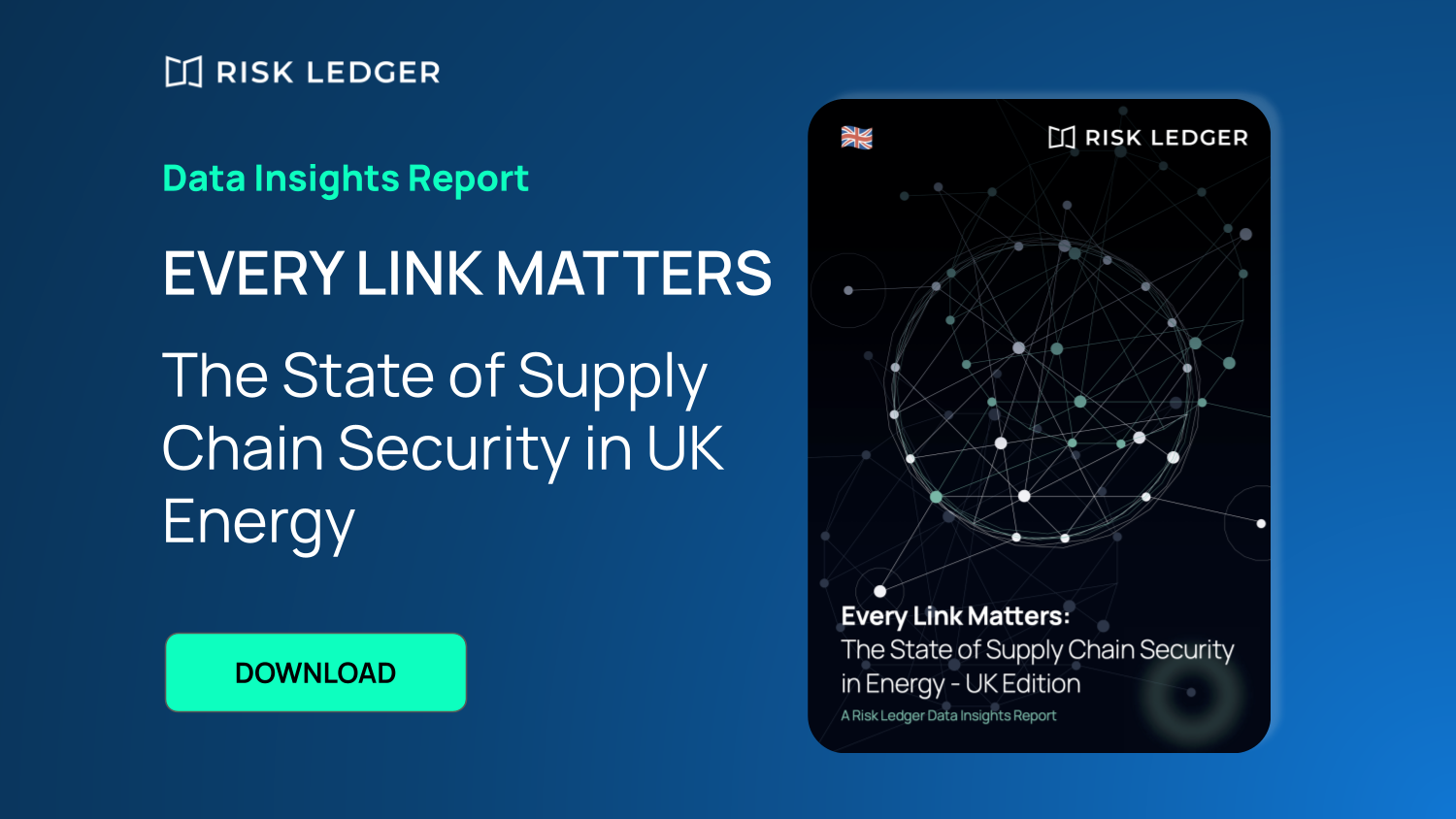
The UK energy sector is undergoing its most profound transformation in history. As the industry moves toward Net Zero, the shift to a decentralised, digitalised smart grid has exponentially expanded the digital attack surface.
While this "Great Transition" promises efficiency, it has also turned the energy supply chain into a primary target for sophisticated, state-sponsored adversaries. In the evolving hyper-connected ecosystem, a vulnerability in a single software vendor or cloud provider can become a matter of national security.
Our comprehensive analysis of the UK energy industry reveals a sector at a tipping point. Here are the critical insights you’ll find inside:
"94% of survey respondents rank supply chain incidents among their top three cyber security concerns for 2026."
The "Every Link Matters" report provides the data-driven roadmap needed to move from a "tick-box" compliance mindset to true operational resilience.
Inside, you will discover:
%20-%20thumb.png)


Monthly research, case studies and practical guides you won't find anywhere else.
Join thousands of security managers turning their TPRM programmes into success stories.

.svg)