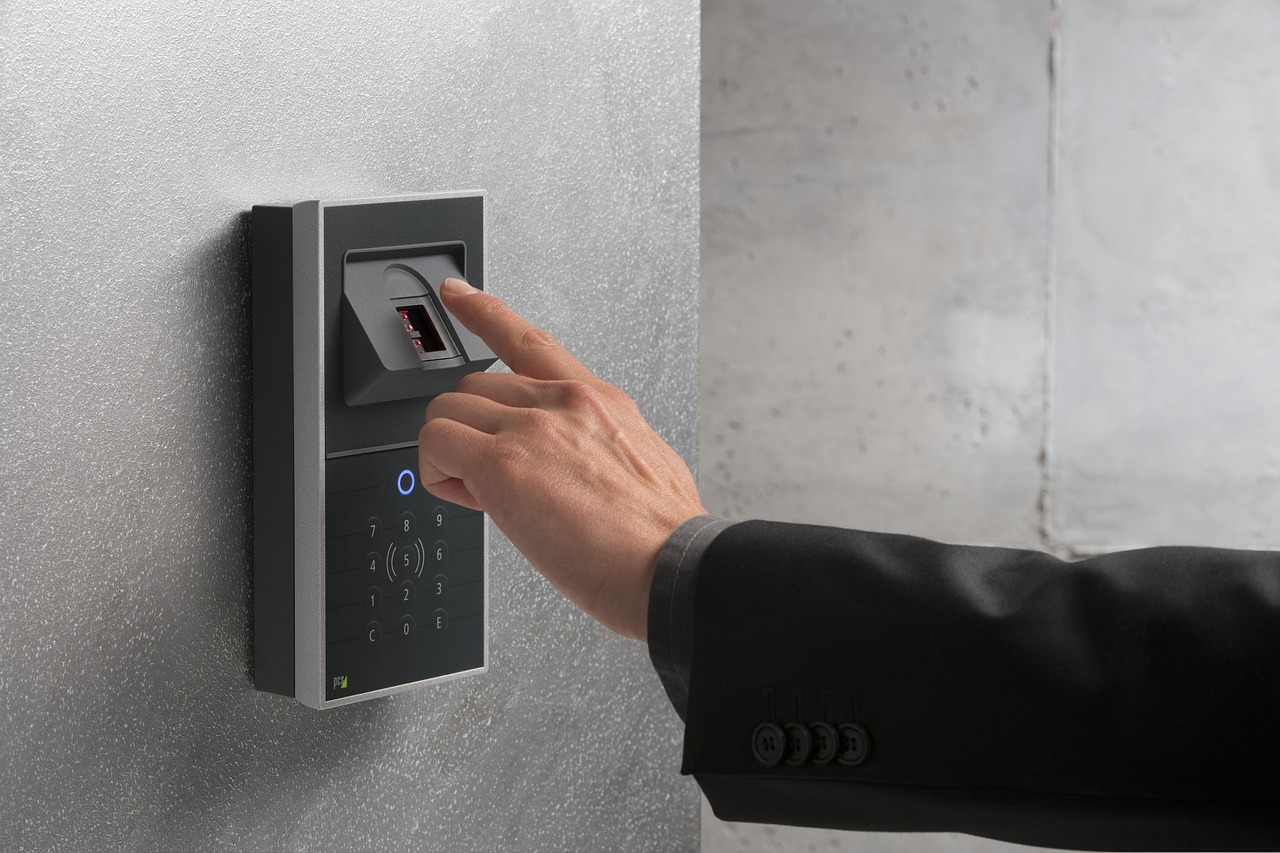
A "Clean Bill of Health" from an external scanner is often like judging the structural integrity of a fortress by looking only at the paint on the front gate. You might have a "Grade A" score on your dashboard, but that won't stop a threat actor who has already walked through the back door with a stolen set of keys.
The Problem: The Dangerous Gap Between Visibility and Reality
External vulnerability scanners have become a popular "plug-and-play" solution because they are fast and automated. However, they only provide a view of the "outer perimeter"—the public-facing systems of a supplier—leaving the most critical internal risks completely invisible.
Key Reasons Why Scanning Tools Create a False Sense of Security:
- The Internal Blind Spot: Scanners cannot see internal security procedures, employee training levels, or internal network controls. A supplier can have a perfect external score while maintaining zero internal segmentation or poor identity management.
- The Phishing Bypass: The most common entry point for a supply chain attack is not a broken firewall, but a simple phishing email or stolen credential. Scanners are fundamentally unable to detect these human and procedural vulnerabilities.
- High Noise, Low Context: These tools often return a high volume of "false positives"—vulnerabilities that appear risky but are actually mitigated or irrelevant. This forces TPRM teams into a manual "clean-up" exercise, wasting time on noise instead of real threats.
- Inability to Assess "Soft" Controls: Security is as much about people and processes as it is about patches. A scanner cannot tell you if a supplier has an effective Incident Response plan or if they conduct regular background checks on privileged users.
- Misleading Dashboards: Because scanning scores are easy to digest (e.g., "95/100"), they are often over-weighted by executive leadership. This leads to a dangerous over-reliance on a single, shallow metric to judge the security of complex global partners.